Bioengineering · Neuroscience · Translational Research
Engineering better ways to understand and modulate the brain.
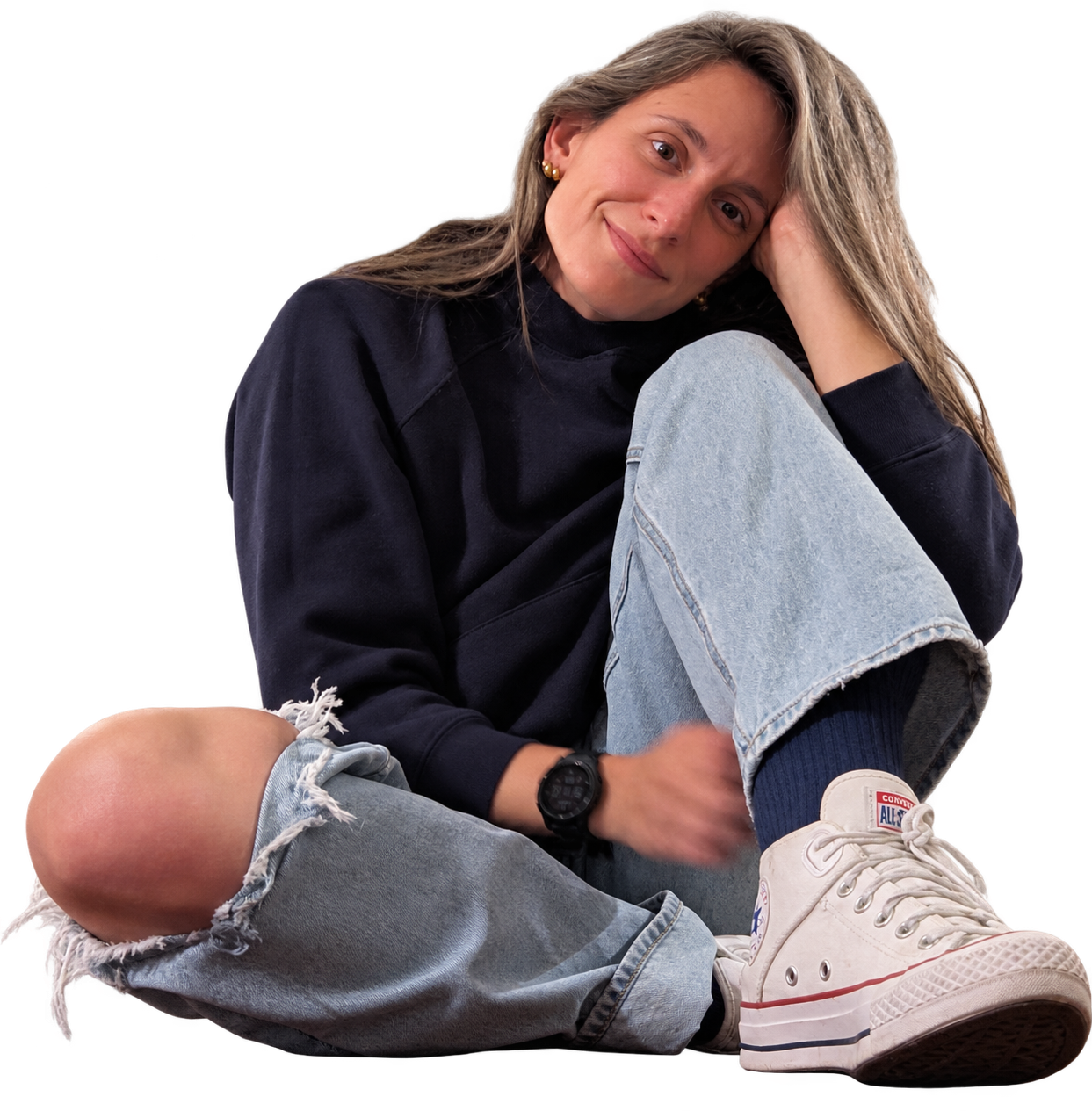
I’m Veronica Porubsky, Ph.D.—a bioengineer and computational neuroscientist translating neural data into tools, models, and therapeutic strategies.
Postdoctoral Scholar
Yazdan Lab · University of Washington
01 / Approach
I work where engineering rigor, neural systems, and human experience meet—building technology with a clear line of sight from experimental design to meaningful clinical impact.
02 / Selected research
From neural circuits
to therapeutic systems.
01
Neuromodulation · 2026—Current
Focused ultrasound for deep-brain modulation
Developing noninvasive approaches to modulate deep-brain circuits relevant to substance use disorder, combining neuronavigation-guided stimulation with electrophysiology to optimize targeting and characterize neural effects.
Focused ultrasoundECoGNeuronavigation
02
Neural interfaces · 2026—Current
Chemogenetic modulation
Designing DREADD viral delivery, ligand dose-response, neuroimaging, and electrophysiological approaches to study circuits involved in epilepsy and substance use disorder.
DREADDsNeuroimagingExperimental design
03
Open-source software · 2019—2024
CaGraph
A Python package for studying dynamic changes in functional connectivity, translating calcium-imaging recordings from behaving animals into interpretable network structure.
PythonGraph theoryCalcium imaging
04
Computational neuroscience · 2022—2025
Signatures of anxiety and avoidance
Used graph theory, recurrent neural networks, and support vector machine classifiers to investigate functional connectivity and behavioral state across the dentate gyrus and basolateral amygdala.
Machine learningRNNsFunctional connectivity
03 / Experience
A perspective shaped by lab, code, and clinic.
2026—Current
Postdoctoral Scholar
Yazdan Lab · University of Washington
Developing focused-ultrasound and chemogenetic approaches for translational neuromodulation research.
2025—2026
Computational Research Collaborator
Bruchas Lab · University of Washington
Built reproducible computational workflows to identify community structure and activity signatures in neural circuits involved in stress, feeding, and avoidance.
2024—2025
Behavioral Specialist
Rogers Behavioral Health
Delivered evidence-based behavioral treatment for anxiety, OCD, and depression in an interdisciplinary partial-hospitalization setting.
2017—2023
Ph.D. in Bioengineering
University of Washington · Sauro Lab
Developed graph-theory and recurrent-neural-network methods for representing neurological systems in Python. GPA 3.91/4.00.
04 / Selected publications
Reproducible science,
built to travel.
- 2023
A practical guide to reproducible modeling for signaling networks.
Methods in Molecular Biology
- 2023
Standards, dissemination, and best practices in systems biology.
Current Opinion in Biotechnology
- 2020
Best practices for making reproducible biochemical models.
Cell Systems
- 2020
Publishing reproducible dynamic kinetic models.
Briefings in Bioinformatics
Eight peer-reviewed publications spanning systems biology, neural delivery, cancer bioengineering, and reproducible modeling.
05 / Beyond the bench
Science is a human practice.
I care about the full arc of translation: the biological question, the integrity of the analysis, and the person a technology is ultimately meant to serve.
That perspective has been shaped by computational research, clinical behavioral-health work, teaching, and years of building scientific communities.
100+summer-school attendees taught
40+speakers invited through outreach leadership
9students mentored across research stages
8peer-reviewed publications
Outside the lab, you’ll find me running, climbing, backpacking, painting portraits, writing songs, or playing guitar.
Next
Building toward better
brain health.
Interested in my research, technical experience, or full publication history?
Download the full CV ↓